













RocketPlay Sign Up For A Clean Start

For adults in Canada, RocketPlay is available on mobile and desktop in 2026 - here is a clean, stress-free setup path.

Fortune Gems 2 Slot

Table of Contents

  • The Dog House Megaways Slot
  • Lucky Joker 10 Extra Gifts Slot
  • Sword of Ares Slot
  • Floating Dragon Hold & Spin Slot
  • Leprechaun Riches Slot
  • Fruit Cocktail Slot
  • The Dog House Megaways Slot
  • Sword of Ares Slot
  • Fruit Million Slot
  • The Dog House Megaways Slot
  • Big Fisherman Slot
  • Big Fisherman Slot
  • Seven Books Unlimited Slot
  • RocketPlay Fortune Slot
  • Sword of Ares Slot
  • Floating Dragon Hold & Spin Slot
  • 9 Mad Hats Slot
  • Floating Dragon Hold & Spin Slot
  • Big Bass Splash Slot

Account Creation Basics In Canada

Imagine you’re doing this between errands: one eye on your phone, the other on the clock. That’s exactly when people make the “tiny” mistakes that later turn into big annoyance - a swapped digit in a phone number, an old address format, a password saved twice in different places. If you treat account setup like setting up a new bank card in your wallet, you’ll do it once and stop thinking about it.
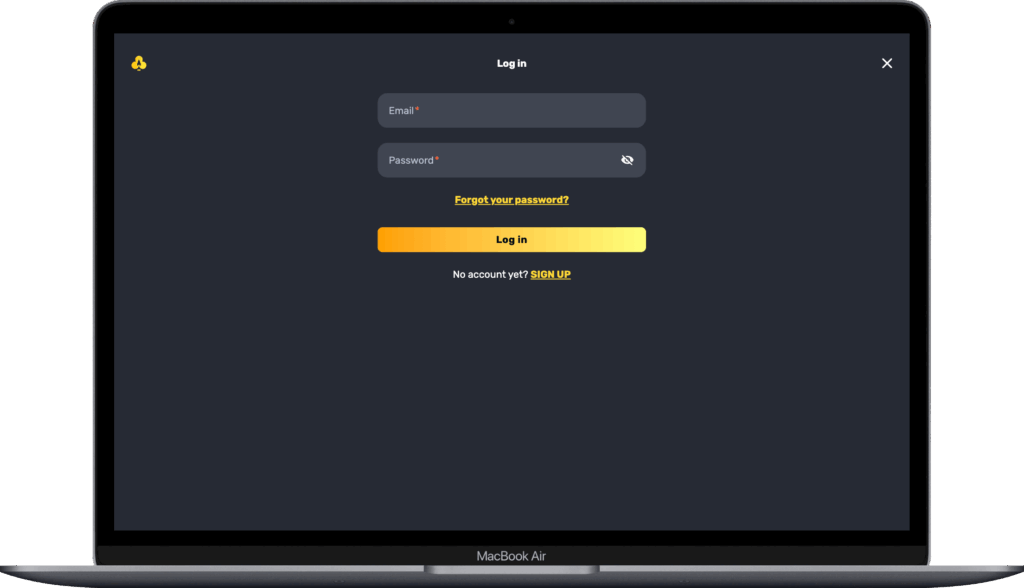
Login 1

Start with accuracy, not speed. Use real details that match your documents and the payment method you plan to use. Platforms typically follow standard checks and adult-only access rules, so clean information helps everything feel straightforward when those checkpoints appear.

A simple rule that keeps things human: do not multitask during the first ten minutes. Put music on if you want, but do not bounce between messaging apps while entering your details. People often lose more time recovering from “quick” shortcuts than they ever save.

Also, set expectations early. Some steps happen instantly, others may appear later depending on activity - especially when money moves or when you change profile details. That’s normal and usually less stressful if your profile is consistent from day one.

Email, Phone, And Profile Details

Picture this: you finish the form, the screen asks for a confirmation code, and you realize you’re logged out of your email on this phone. Suddenly you’re not registering anymore - you’re wrestling with inbox passwords. Use an email you can open in under ten seconds, and make sure it can receive verification messages without delay.

When you enter your name and address, match your documents. Do not “beautify” it, do not shorten it, do not guess. If your address uses an apartment number, include it the same way you’d write it on a delivery label. These details matter most when you request a cashout or when support needs to verify you are the account holder.

A small but real-life tip: decide where your password will live. If you use a password manager, use it fully. If you type manually, type manually consistently. People get locked out because they mix methods - the phone auto-fills one password, the laptop remembers another, and neither is the current one.

Legal Age Checks And Safe Access

Imagine you share a device at home and someone taps the wrong icon out of curiosity. Adult-only access rules exist for a reason, but your own device habits matter just as much. Use a screen lock, keep notifications discreet, and log out if your phone is shared even occasionally.

You may see prompts that confirm eligibility or ask for basic identity details. Treat those prompts as routine guardrails, not as a personal challenge. The calmer you are about it, the faster you move through it, especially if your information is clean and consistent.
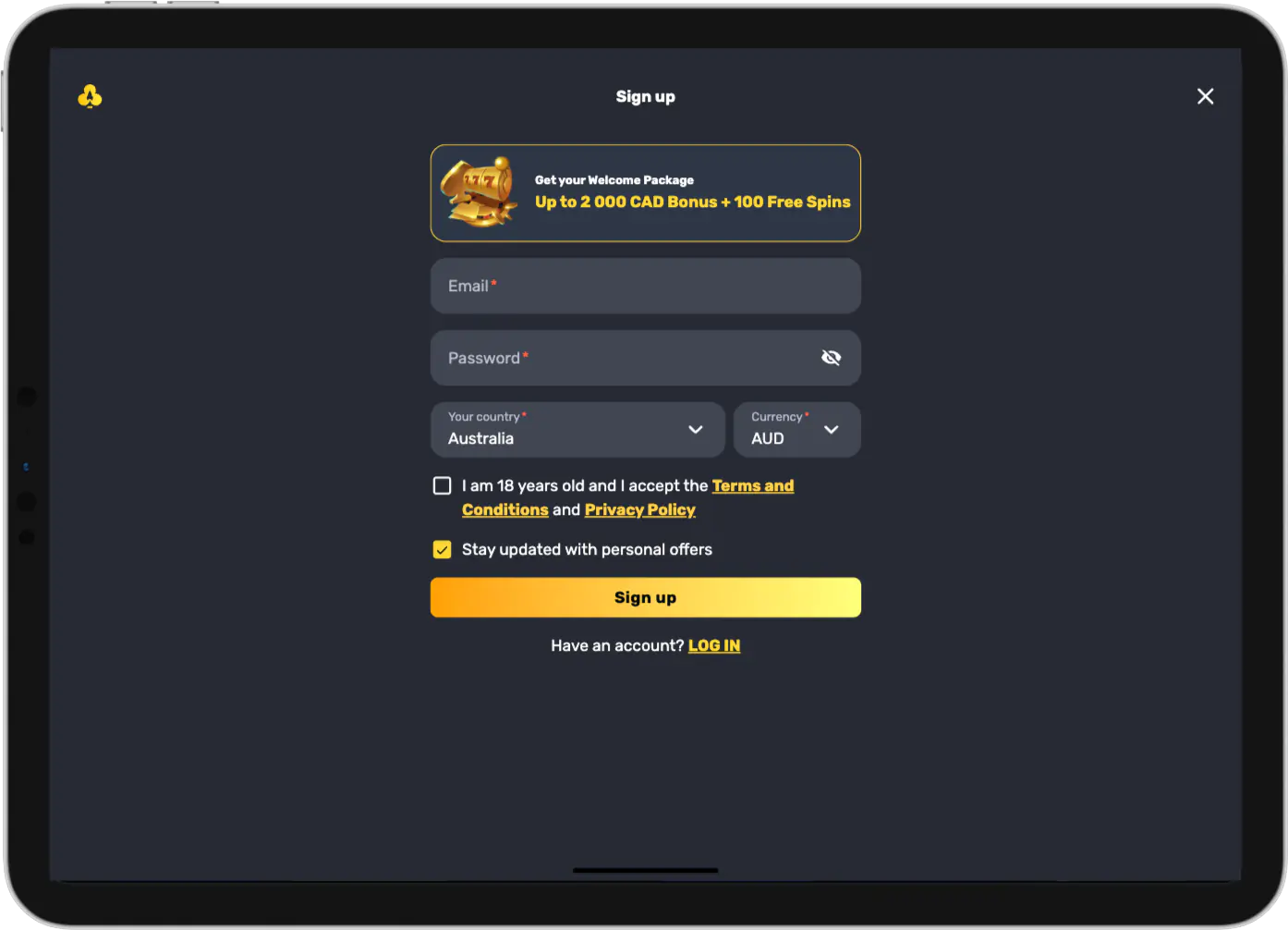
Login 2

RocketPlay Sign In Steps That Feel Effortless

Imagine it’s Friday, you finally have a free evening, and the platform asks you to verify something before you can log in. It feels personal, but it’s usually mechanical: an expired session, a code request, or too many quick attempts. The fastest login is the one you do slowly once, then repeat the same way every time.

Establish a consistent routine. Use a single email, a single password, and a single device behavior: enter, submit once, wait. If the screen is slow, resist the urge to tap again. Double submissions cause temporary lockouts more often than people expect, and then you waste your own time proving you’re not a bot.

If you switch between phone and desktop, keep your login details synchronized in one place. The classic problem in 2026 is not “I forgot my password” - it’s “I have three passwords and I don’t know which one is correct.”

Resolving Password Reset and Autofill Problems

Imagine resetting your password late at night, then waking up and your phone keeps automatically filling in the old one as if nothing happened. You try twice, fail twice, and now you’re looking at a cooldown notification. This is the moment to stop and clear the saved entry, not to keep guessing.

After any reset, perform a quick confirmation cycle: log in successfully once, log out, log in again. It sounds excessive, but it verifies your new credentials are saved correctly and that your device isn’t retaining old data. If you use autofill, delete duplicate saved entries so you do not accidentally select the wrong one next week.

If codes arrive late, stay on one stable connection while you request them. Many people request a code on Wi-Fi, walk into another room, switch to cellular data, and the message arrives after the code window feels “off.” Keep it simple: request, receive, enter, complete.

Login 3

RocketPlay Casino App Sign In On Mobile Without Stress

Imagine you’re on a short break and you want a quick session, not a technical adventure. Mobile access can be smooth, but only if you set it up like you would set up a new banking app: stable connection, notifications that help rather than distract, and a clear plan for money and breaks.

In 2026, mobile design is built for speed. That’s great for convenience, but it can also blur your sense of time, because every action is one thumb-tap away. The best mobile setup includes two guardrails you choose: a spending limit and a session rhythm (start, play, check-in, stop).

Privacy matters too. If your phone shows previews on the lock screen, adjust that. Nobody needs a notification popping up at the wrong moment, even if it’s harmless.

Choosing Browser Play Or Installed App

Picture yourself with low battery, patchy signal, and no patience. Browser play can be easier because it updates automatically and you don’t manage installations. A native install can feel smoother and faster once it’s set, but only if your device storage is healthy and updates are enabled.

Choose based on your actual routine. If you play occasionally, a browser option can be enough. If you play more regularly and want quick access, an installed version can reduce steps. Either way, test the flow before you add funds: open the lobby, browse, try a demo if available, and make sure the cashier loads cleanly on your connection.

A subtle point: mobile problems often come from the phone, not the platform. Too many background apps, an overloaded browser, aggressive battery saving mode - these things can slow screens and cause people to panic-click. Close what you don’t need and keep the session simple.

Keeping Sessions Controlled On A Phone

Imagine you planned a calm session, then you get two quick losses and your thumb starts bouncing between games like you’re trying to “find the lucky one.” That’s when mobile convenience turns into emotional switching. The fix is a simple structure: pick one title, set a time window, and only switch if you’re bored - not if you’re annoyed.

Use checkpoints. Set a timer for breaks, decide your maximum stake up front, and create a stopping rule you can say out loud. Usually players do better when they decide, “One session, one deposit, and I’m done,” rather than negotiating with themselves every five minutes.

If your mood changes, treat that as information. Tired, irritated, chasing, distracted - those are signals to end the session or take a timeout. Mobile is supposed to be easy. If it starts to feel tense, your best move is to step away.

Deposits, Payment Choices, and Spending Limits

Imagine opening the cashier while multitasking. One message comes in, you switch apps, you come back, and now you’re not sure if you confirmed the payment or not. This is how duplicates happen, and this is why a calm, checklist-style approach beats “fast” every time.

Start with a budget that fits your week, not your mood. A one-deposit rule is powerful because it removes decision fatigue. If you want a longer session, lower your stake or pick slower play. Don’t keep topping up because you feel “close” to turning it around.

In Canada, payment flows can include confirmation prompts from your bank or wallet. Plan for that. Keep your phone charged, keep one stable connection during payment steps, and don’t switch networks mid-confirmation.

Also, make your limits early. People often wait until they have a bad session, then try to set limits while frustrated. Set limits when you’re calm, and your future self will thank you.

Cashier Step

What You Do

Why It Helps

Common Pitfall

Choose a method

Pick one option you can track easily

Cleaner records, fewer surprises

Switching methods every session

Set the amount

Confirm the number before approval

Prevents accidental overspending

Adding a zero while rushing

Complete approvals

Follow any bank or wallet prompts

Avoids "pending" loops

Closing the screen too early

Check history

Review status after each action

Spots duplicates quickly

Repeating a deposit immediately

Set personal limits

Add deposit or session caps

Keeps play predictable

Setting limits only after losses

Plan for cashout

Keep profile details consistent

Fewer checks later

Mismatched name or address

Making Your First Deposit Without Overshooting

Picture your first deposit as a test run, not a statement about how big you plan to play. Start smaller than your “normal” entertainment budget, confirm everything works smoothly, and only then decide if you want to play longer on another day.

Before you confirm, pause and re-check the amount and the method. Small screens make it easy to misread numbers. If your device auto-fills or remembers previous amounts, treat that as a risk, not a convenience.

If a transaction looks stuck, don’t immediately try again. Wait a moment, check your transaction history, and look for a status note. Most duplicate deposits happen because someone panics and repeats an action that was already processing.

What To Check Before You Request A Withdrawal

Imagine you win and want to cash out, then you notice your profile still has an old address from two moves ago. That’s how withdrawals turn into paperwork. The calm move is to keep your profile current before you ever care about speed.

Check three basics: your personal details match your documents, your payment method is consistent, and you still have access to your email and phone for any confirmations. If something needs updating, update it first, then request the cashout.

Also, be realistic about timing. Processing steps can vary by method and review checks. If you plan your entertainment budget assuming withdrawals are not instant, you won’t fall into the “refreshing the status screen” trap that leads to impulsive play.

Verification, Withdrawals, And Status Tracking

Imagine you submit a cashout and then stare at the status screen like it’s a live sports score. That feeling is normal, but it’s not useful. Verification and payout steps are smoother when you treat them like a process: submit clean inputs once, then wait for the system to move.

Many platforms ask for identity confirmation and sometimes proof tied to payment methods. That’s part of operating within applicable rules and protecting accounts from misuse. Your job is simple: provide clear, readable documents and keep your details consistent.

Establish a calm tracking routine. Submit, confirm you received an acknowledgment, then step away. If the status changes and asks for something, respond once with clear information. Avoid repeated submissions that create confusion.

Submit Photos That Pass On The First Try

Imagine taking a photo in dim light and thinking, “close enough.” Then it gets rejected and you’re doing it again while annoyed. Take the extra minute: good light, no glare, all corners visible, sharp focus, and no edits that make the image look unnatural.

If proof of address is requested, use something that clearly shows your name and address in the same format you entered. If identity confirmation is requested, keep the image complete and readable. Cropped corners and reflections are the most common reasons people have to resubmit.

After you upload, look for confirmation that the submission was received. Keep it for your own reference. If support asks what you uploaded and when, you’ll answer calmly instead of guessing.

Support, Security, And Account Recovery Habits

Imagine you wake up, can’t access your account, and you’re already irritated. That is the worst moment to improvise security. The best security is the kind you set once and forget: strong device lock, consistent password storage, and clean recovery options.

Support works faster when your message is specific. Explain what you did, what you expected, what happened, and the approximate time. If it’s a payment issue, include the method and the amount. If it’s a verification issue, say what you uploaded and what the system responded with.

Another real-life tip: don’t open multiple tickets for the same problem. It feels like you’re “pushing,” but it can slow resolution because the conversation splits. One clear thread with clean details is usually the fastest path.

When To Use Timeouts Or Self-Exclusion Tools

Picture having a rough day and using play as a distraction, then noticing you’re not really enjoying it - you’re trying to change your mood by forcing a result. That’s the moment for a timeout. A short break interrupts the loop and gives you room to decide like an adult again.

If you notice this pattern repeating across days, consider a longer cooling-off option. Self-exclusion is a stronger boundary for people who want a clear reset that doesn’t rely on willpower in the moment. These tools are not a moral statement - they’re practical controls.

Most people wait too long because they think they should “handle it.” In reality, using limits early is the confident move, because it keeps entertainment in its place.

Personal Settings That Make Daily Use Easier

Imagine you want everything to feel smooth, but you also want fewer surprises. Personal settings are where you build that comfort. Set notification preferences so you get security-related prompts without being nudged back into play at random times.

Check your privacy options too. If you share your phone or you sometimes play in public, reduce lock-screen previews and log out when you’re done. It sounds small, but small is the point - tiny settings changes prevent awkward moments.

Finally, build a repeatable routine. Many adults keep a simple note of what they deposited, how long they played, and whether the session felt calm or tense. You don’t need spreadsheets. You just need enough awareness to notice patterns and adjust before the habit grows teeth.

FAQ

Slow down for the first ten minutes and treat the setup like a one-time task you want to finish cleanly. Use an email you can open quickly, enter your details exactly as they appear on your documents, and confirm your phone can receive messages. After you finish, do one quick test: log out and log back in once, then save the correct credentials in one secure place so you don’t end up juggling multiple versions later.

First check whether your phone is auto-filling an old password, because that’s the most common reason repeated attempts fail. If a reset is needed, complete the full reset cycle in one sitting and then test one successful login before you walk away. Remove duplicate saved entries in your password manager or autofill so you don’t accidentally choose the wrong one next time, and avoid rapid guessing that can trigger a temporary lock.

Delays often happen because of inbox filters, unstable signal, or switching between apps during the process. Stay on one stable connection, keep your email app logged in, and check spam folders if messages don’t appear quickly. If a code expires before you can use it, request a new one and stay on the same screen until you complete the step instead of bouncing between tabs.

Decide your budget before you open the cashier and follow a one-deposit rule for that session. Set a timer for breaks so time doesn’t blur, keep your stake consistent instead of adjusting it emotionally, and treat “one more try” as a signal to stop. If you feel yourself chasing, end the session or trigger a timeout, because a forced pause often resets your decision-making.

Make sure your profile details match your documents and keep your payment method consistent with how you funded your balance. Take clear document photos in good light with all corners visible and no glare, because blurry uploads cause the most back-and-forth. Submit once, confirm you received acknowledgment, and then track the status calmly instead of resubmitting repeatedly.

Write one clear message with specifics: what you did, what you expected, what happened, and the approximate time, plus whether it’s about access, payments, or verification. Include the payment method and amount if money is involved, and describe any exact status message you see. Keep it in a single support thread so the conversation stays consistent, because multiple tickets for the same issue can slow resolution.

Use a timeout when play starts to feel emotional, rushed, or tied to trying to recover losses, because that’s when impulse decisions show up. If the pattern repeats across days, a longer cooling-off option can create a boundary you can’t negotiate away in the moment. These tools are normal self-control features for adults, and using them early usually keeps the experience healthier and more enjoyable.

🇬🇧 English