













RocketPlay Casino Ios For Canada Players

RocketPlay is available in Canada in 2026 with mobile access, clear banking steps, limits, and support for legal-age players.

Fortune Gems 2 Slot

Table of Contents

  • The Dog House Megaways Slot
  • Lucky Joker 10 Extra Gifts Slot
  • Sword of Ares Slot
  • Floating Dragon Hold & Spin Slot
  • Leprechaun Riches Slot
  • Fruit Cocktail Slot
  • The Dog House Megaways Slot
  • Sword of Ares Slot
  • Fruit Million Slot
  • The Dog House Megaways Slot
  • Big Fisherman Slot
  • Big Fisherman Slot
  • Seven Books Unlimited Slot
  • RocketPlay Fortune Slot
  • Sword of Ares Slot
  • Floating Dragon Hold & Spin Slot
  • 9 Mad Hats Slot
  • Floating Dragon Hold & Spin Slot
  • Big Bass Splash Slot

Mobile-First Snapshot For Canada In 2026

Picture this: you have a calm 20 minutes after work, you unlock your phone, and you want a session that feels controlled, not chaotic. A mobile casino experience succeeds when you can find the essentials fast - account, cashier, limits, and help - before you even pick a game. If those are one or two taps away, you stay in charge. If they are buried, you end up playing in a fog.
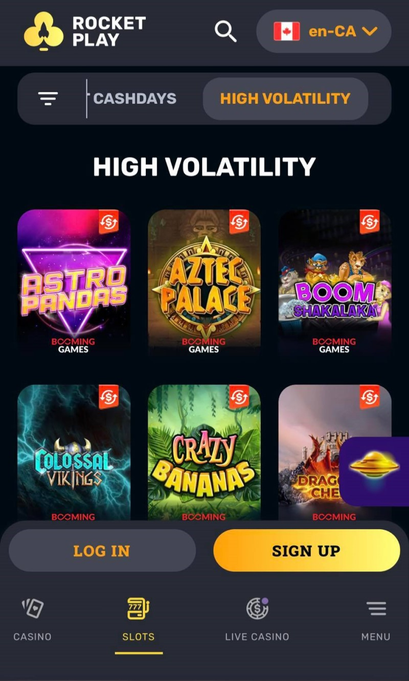
App 1

Mobile play in Canada is mostly about rhythm. On a phone, everything happens faster: taps are quick, rounds are quick, and emotions can jump ahead of logic. A good platform flow helps you slow down at the right moments: confirming a deposit, checking a promotion, setting a cap, or ending a session. You do not need fancy features, you need predictable steps.

In 2026, many players use two modes without thinking about it: a quick mobile session during a break and a longer session later on a bigger screen. That switch can expose small differences - where menus sit, how confirmations appear, and how easy it is to find transaction history. The best approach is to build a short routine that works on any device: check settings, check limits, then play.

Adults also benefit from separating “setup time” from “play time.” If you handle profile details, security, and payment preferences while you are calm, you avoid mistakes later when you are excited, tired, or distracted. It sounds basic, but it is exactly what keeps gambling in the entertainment lane.

One more thing: availability in Canada does not only mean you can open the platform. It also means you can use it in a way that respects local rules and age restrictions for adults. That is why limits, verification readiness, and responsible play tools are not “extras” - they are part of the core experience.

The Fast Check: Menu, Cashier, Limits

Imagine you are about to start and you cannot even find your transaction history. That usually leads to guessing later, especially if a deposit takes a minute to appear. Do a 60-second scan first: open the account area, locate history, locate limits, locate support, then go to the lobby. If you can do that without frustration, your sessions will feel steadier.

Most players do it backwards: they start spinning, then panic when they want to stop or track spending. A better habit is to set one boundary before every session (time reminder or deposit cap), then play. That tiny decision changes the tone of the whole night.

What Changes Between Android And IPhone

Picture a player switching from an iPhone to an Android device and assuming everything will look identical. Then they get annoyed because the same button is in a different place. That is normal - mobile layouts often adapt to screen size and system behavior.

The practical takeaway is simple: do not measure quality by “matching,” measure it by “clarity.” Can you find the same functions quickly on both systems? Can you confirm actions without confusion? If yes, the platform is doing its job.
Getting Started Without Rushing

Imagine you are excited to play and you try to set up an account while multitasking - messages popping up, tabs open, battery low. That is how people enter details incorrectly and create future delays. The clean way is to treat the first setup like a short admin task, then come back for entertainment.

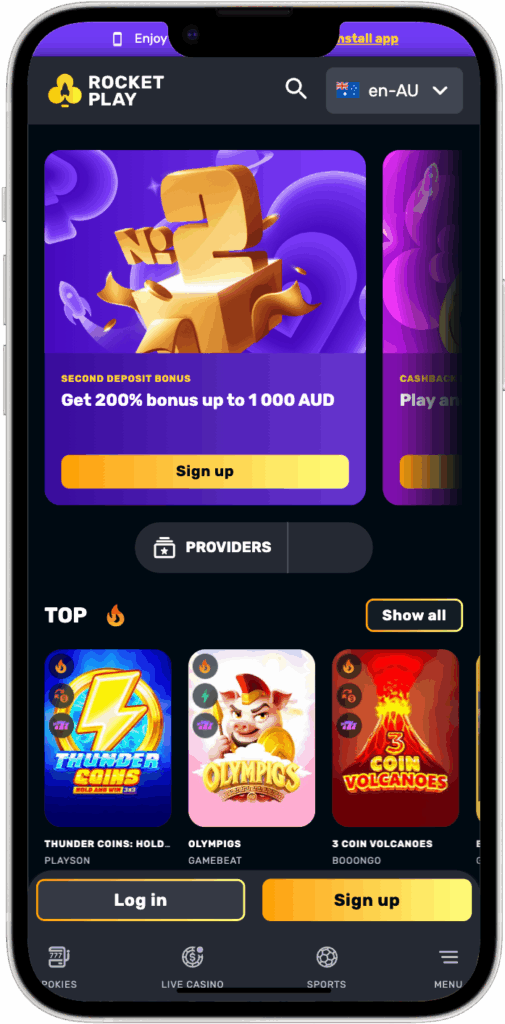
application 2

Start with accurate details and consistent information. Use the same name and address format you use for banking and official communication. If you ever need to confirm identity or update sensitive settings later, consistency is what keeps the process smooth.

Also, pick one primary device for your first setup. Switching devices mid-registration can cause repeated steps and confusion about what was confirmed. Finish the setup, confirm you can sign in and out, then switch devices if you want.

Registration And Verification Rhythm

Picture this: you register quickly, everything feels fine, and then the first time you try to withdraw you hit a verification step you did not expect. Many players react emotionally, as if the platform is “blocking” them, when it is often a standard safety process. The smarter move is to plan for verification early and keep your account details clean.

Treat verification readiness like a practical checklist. Have clear photos of your documents stored safely on your device, use good lighting, and make sure text is readable. If you submit blurry images at night, you risk redoing the process and extending the timeline. One careful attempt beats three rushed attempts.

Keep your profile stable once it is set. A common mistake is changing key details repeatedly because you are unsure which version is correct. That can create mismatches and trigger extra questions. If something truly needs to be corrected, update it once, confirm it is saved, and stop editing.

Finally, do not combine setup with gambling decisions. If you are tired, stressed, or rushing, save play for later. A calm setup leads to calmer play, and calm play is the whole point of treating gambling as entertainment.

Security Habits That Actually Help

Imagine you sign in on a shared device “just for a minute,” save your login, and forget to sign out. Nothing happens - until one day it does. Security is mostly routine, not paranoia. The goal is to prevent simple mistakes that can lead to complicated problems.

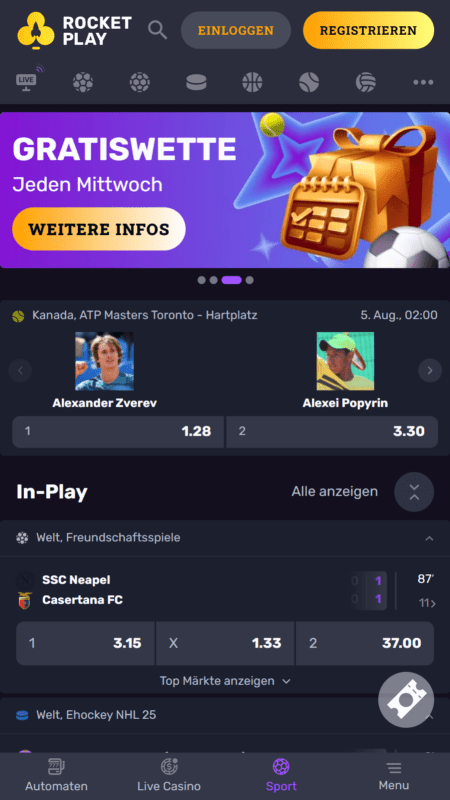
App 3

Use a strong password you do not reuse elsewhere and keep access to your email and phone stable, because recovery often depends on them. If you change devices often, consider enabling additional confirmation steps if available, especially if you play on public Wi-Fi or travel frequently.

Another strong habit in 2026: do not let auto-fill run your life. Auto-fill can paste an old email, a wrong address, or an outdated phone number. Before you confirm any sensitive step (password change, payment action, profile edit), re-read the screen like you would re-read a bank transfer.

Picture a typical “small panic”: you cannot sign in, so you guess passwords repeatedly until the account locks. The safer path is to slow down and use the recovery flow once, carefully, on a stable connection. Most lockouts come from impatience, not from truly “lost” accounts.

Payments, Cashouts, And Record Keeping

Imagine you make a deposit, the page refreshes, and you are unsure whether it processed. Your thumb hovers over the button again because repeating the action feels harmless on mobile. That is how duplicate charges happen, and it is why record keeping matters. You do not need to trust your memory - you need to trust your transaction history.

A clean payment routine is slow by design. Confirm the amount, confirm the method, complete the step, then verify the entry in history before you play. If you ever feel uncertain, stop and check the record. Guessing is where mistakes multiply.

Withdrawals require patience and a stable account. Payouts can involve method rules and account checks that vary by player and situation, so the best strategy is predictability: consistent details, consistent method, and no last-minute edits before requesting a cashout. When you can track status updates in history, you stop refreshing and start understanding the process.

Below is a practical mobile-focused table that shows what to check so you do not rely on hope or impulse.

Cashier Checkpoint

What You’re Confirming

Why it matters

The Common Misstep

Final Confirmation Screen

Amount and method are correct

Prevents accidental repeats

Tapping twice during slow loading

History Entry After Funding

A dated record appears

Removes guesswork

Watching only the game balance

Status Labels

Pending vs processed states

Reduces anxiety while waiting

Refreshing nonstop and panicking

Method Consistency

Same route used regularly

Keeps cashouts smoother

Switching methods mid-session

Limits Before Funding

Caps are active

Protects budget

Setting caps only after overspending

Support Path

How to reach help fast

Speeds resolution

Sending vague messages without details

First Deposit As A Test Run

Picture a player who deposits a large amount immediately because they want to “maximize” the session, then regrets it when the night goes sideways. A better approach is to treat the first deposit as a test run: small enough to stay calm, real enough to observe how the cashier behaves.

After you fund, do not jump straight into a fast game. Open your history, confirm the entry, then set a time reminder or a deposit cap for the rest of the evening. The goal is to start from control, not to find control after the mood has shifted.

Withdrawals: Status And Patience

Imagine you request a cashout and then refresh the screen every few minutes, getting more anxious each time nothing changes. That loop is exhausting, and it rarely speeds anything up. The calmer method is to request once, note the status, and check later at a planned time.

Keep your account details stable before a withdrawal. Changing key profile fields right before a payout can trigger extra questions, even if the change is innocent. If you need to update something, do it earlier, confirm it is saved, then return to play later.

If the platform asks for confirmation steps, treat them as a focused task. Do them on a stable connection, provide clear information, and avoid sending multiple conflicting messages to support. Consistency makes your case easier to trace.

A final practical tip: make your first cashout modest. Not because you must, but because it lets you learn the flow without high stress. Once you see the end-to-end pattern on your account, you can request larger amounts with more confidence.

Avoiding Duplicate Charges On Mobile

Imagine a slow connection where the spinner keeps spinning after you confirm a payment. Many players react by repeating the action. Instead, stop, check history, and wait a short while. The fastest way to avoid double funding is to refuse the urge to “click again” until the record tells you what happened.

Games On A Phone: Control Over Speed

Imagine you open a slot on your phone and the controls feel cramped. You try to lower the stake, tap the wrong spot, and suddenly you are betting more than planned. Small screens can be great, but only if you slow down and make the interface feel familiar before money is involved.

Start with readability. Choose games where bet controls are clear, the information panel is easy to open, and the balance is always visible. If a game feels visually noisy, do not force it. Pick something calmer. You are not proving patience, you are choosing entertainment.

Pace matters more than most people admit. Mobile rounds can fly by, and a fast game can burn through a budget quickly even at modest stakes. The adult move in 2026 is to decide what you’re buying: entertainment time. That often means lower stakes, fewer rapid decisions, and a timer that pulls you out of autopilot.

Another helpful routine is a mid-session reality check. Picture yourself feeling like you are “about even” but not really knowing. Open the history, look at what you actually deposited and what you actually did, then decide whether to continue. Reality checks prevent chasing and help you stop while you still feel clear.

Also, be careful with autoplay-like features if they exist. On a phone, it is easy to look away for a moment and miss what happened. If you use any automated play, keep it short, keep stakes conservative, and check your mood frequently.

RocketPlay Casino App And Safer Installation Options

Imagine you search for a mobile installation, see many similar options, and feel unsure what is safe. That uncertainty is common, especially on Android where installation can involve package files. The safe approach is simple: treat installation like banking, not like entertainment. If something feels unclear, pause and verify your steps instead of rushing.

Android installations can involve different paths: a standard store-style installation, a web-based shortcut, or a manual package installation. Each path has trade-offs. The more “manual” the path, the more responsibility rests with you: verifying what you’re installing, checking permissions, and avoiding suspicious copies.

In 2026, the best practice is to keep your device clean: update your operating system, use a screen lock, and avoid installing unknown files when you are tired or distracted. Picture yourself doing this late at night, half-focused, clicking through warnings. That is when mistakes happen. Do installation during the day, calmly, and stop if any prompt looks unusual.

When RocketPlay App Makes Sense

Imagine you have an Android device that doesn’t support your preferred installation method, and you consider using a package file instead. That can be practical in certain cases, but it should never be casual. The moment you choose a manual installation, your job is to reduce risk: confirm you’re using the right file, avoid duplicates, and keep permissions restricted.

Treat the package file like a sealed box. If the box looks resealed, do not open it. In practical terms, avoid downloads from random aggregators, avoid files that demand unrelated permissions, and avoid anything that looks like a clone. If you cannot confidently explain where the file came from and why you trust it, do not install it.

After installation, perform a brief safety check before you play. Open the account area, locate history, locate limits, and locate support. Then sign out and sign back in once. Consider that first sign-in as a test: if anything behaves strangely, stop and investigate before you fund.

Finally, maintain strong device hygiene. Manual installations can be safe when done carefully, but they require more discipline. If you do not enjoy that discipline, stick to simpler access methods that require less manual handling.

Support, Problems, And Quick Fixes

Imagine you are in the middle of a session and something looks off: a deposit status is unclear, a page refreshes unexpectedly, or a setting does not save. The worst move is to change five things at once - new device, new browser, new payment method, new account edits - because then you cannot tell what fixed what. The best move is one change at a time.

Start with simple checks: refresh once, sign out and sign back in, and verify your transaction history. If the issue is visual, try a different browser on the same device before you switch to a different device. Picture yourself troubleshooting like an adult: calm steps, clear observations, no panic clicks.

When you need support, provide a clear report. Include what you did, what you expected, what you saw instead, and what your history shows. This structure reduces back-and-forth. Vague messages lead to generic replies, and generic replies waste your time.

Remember that many “problems” are actually impatience plus mobile speed. Pending status, slow loading, or delayed updates can occur. The disciplined approach is to wait briefly, check records, then escalate only if the status remains inconsistent.

How To Write A Support Message That Gets Action

Imagine an agent reading hundreds of tickets and trying to decipher “bonus not working” with no details. You can skip the entire slow process by writing one clear message: time, amount, method, device type, and what the account history shows.

Keep your tone neutral and your story consistent. Avoid sending multiple messages with different versions of events. If support asks for confirmation steps, complete them carefully on a stable connection. Calm cooperation is usually the fastest path to resolution.

FAQ

Start by building one simple routine that works on any device: locate your history, set a time reminder, and set a funding cap before you open a game. Imagine you switch phones and everything feels slightly different - that’s normal, so focus on clarity instead of identical menus. Keep your account details consistent, avoid saving passwords on shared devices, and sign out when you’re done. If you feel rushed, stop and return later rather than forcing a session to “work.”

Treat installation like a security task, not like entertainment. Picture yourself clicking through prompts quickly and later realizing you granted permissions you didn’t understand - that’s how discomfort starts. Install only when you can focus, keep your operating system updated, and review what permissions are being requested. After you install, sign in, find limits and history, then sign out and return once to confirm the session behaves predictably.

Pending status can appear because of method processing steps, connection delays, or additional checks on the payment route. Imagine you see a spinner and instantly try again - that’s how duplicate charges happen. The smarter move is to check transaction history first, wait briefly, and confirm the record before repeating any action. If the status stays unclear longer than expected, contact support with the time, amount, method, and what your history shows.

Use two guardrails: a deposit cap and a session timer. Picture a fast game on a phone where minutes disappear and taps feel effortless - that’s exactly why limits matter more on mobile than on desktop. Set your cap before funding and treat the timer as a hard stop, not a suggestion. If you feel tilted or irritated, take a cooling-off break and return only if it still feels like entertainment.

Delays often come from account detail changes, method switches, or additional confirmation steps triggered by safety checks. Imagine you request a payout right after editing profile information because you noticed a small typo - that can create extra questions. Keep your details stable, use a consistent payout route when possible, and track status in your account history instead of refreshing constantly. If support requests verification, provide clear information once and avoid changing settings while the ticket is open.

Slow down and avoid repeated guesses. Imagine you try ten variations quickly and trigger a lock - now a simple problem becomes a longer wait. Use the recovery flow once, carefully, on a stable connection, and make sure you still have access to the email or phone tied to the account. After you regain access, use a strong unique password and avoid saving it on shared devices.

Use it when the session stops being fun and starts feeling like pressure. Picture yourself chasing losses, speeding up decisions, and telling yourself you’ll stop “after one win” - that’s a clear warning sign. A time-out creates space to reset your head, and self-exclusion creates a stronger boundary if patterns repeat. These tools are practical safeguards for adults who want gambling to stay within planned limits.

🇬🇧 English